
Why Rust Proofing Your Vehicle with Boss Wax Is Worth Thinking About
Rust proofing matters because rust never stops on its own. Once road salt and moisture get into a seam or the underside of a panel, the metal keeps corroding until it's treated or it fails. Boss Wax is a wax-based undercoating from NHOU that puts a protective film over bare metal, so salt and water have a harder time reaching it.
It won't make a vehicle immune to rust, and it isn't a one-time fix you can forget about. But if you drive on salted roads, a good wax-based coating applied early is one of the few things that slows corrosion where you can't see it.
What rust actually costs you
Rust is rarely just a cosmetic problem. Surface rust on a body panel is annoying. Rust on a frame rail, brake line, or suspension mount is a different matter, because those parts hold the vehicle together and keep it stopping and steering.
- Safety: corroded frames, subframes, and brake or fuel lines can fail without much warning.
- Repair bills: cutting out and replacing rusted metal usually costs far more than preventing it.
- Resale value: a clean underside is one of the first things a knowledgeable buyer checks.
- Inspection trouble: heavy corrosion can keep a vehicle from passing a safety check.
Why Ohio winters make the case
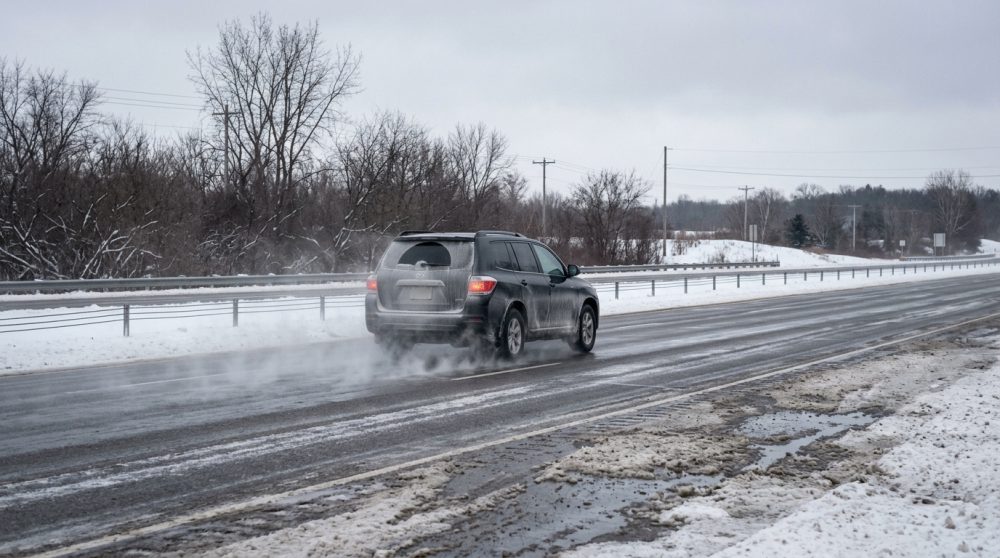
Ohio roads get salted and brined for a good part of the year. Wet salt clings to metal, packs into crevices, and stays damp long after the road has dried. That is the setup rust likes best.
Salt-brine mixes can also stick to surfaces more stubbornly than old-fashioned rock salt, so a quick rinse doesn't always get it all. If your vehicle sees Tuscarawas, Stark, or Wayne County roads every winter, the underside takes a beating whether you wash the paint or not.
Where rust starts on a vehicle
It almost never starts on the surface you polish. It starts where moisture gets in and can't get out:
- Frame rails and crossmembers
- Inside rocker panels and door bottoms
- Wheel wells and the seams around them
- Suspension components and mounting points
- Brake lines, fuel lines, and fasteners
- Tailgate and bed seams on trucks
Many of these are enclosed cavities. A proper rustproofing job means reaching into them, not just painting the visible underside.
What Boss Wax does for those areas
A wax-based coating works as a barrier. It flows into seams and over metal surfaces, then settles into a film that keeps water and salt from sitting directly on the steel. Because it's a wax rather than a hard rubbery shell, it's meant to stay in place without trapping moisture the way some thick, brittle coatings can when they crack.
Specifics like how many layers are applied, how it's cured, and how it's maintained depend on the product line and the installer. That's why it helps to work with someone trained on it. Culture Customs is certified through NHOU for Boss Wax Permanent Rustproofing, which means the application follows the manufacturer's process rather than guesswork.
The prep matters as much as the product
Any coating is only as good as what's underneath it. Wax sprayed over caked-on mud, salt residue, or loose flaking rust is protecting the dirt, not the metal.
Before a vehicle is coated, expect the underside to be cleaned and inspected. Light surface rust can often be treated and sealed. Heavily rotted metal needs repair first, because no coating rebuilds steel that's already gone. A good shop will tell you honestly which situation you're in.
Plan on maintenance, not a one-and-done
Wear and road debris take their toll on any undercoating, especially in wheel wells and behind the tires where gravel and spray hit hardest. Most manufacturer-backed rustproofing programs expect periodic inspections or touch-ups to keep coverage intact.
If you're told a coating needs no attention at all for the life of the vehicle, ask for that in writing, along with what the warranty requires of you.
Questions to ask before you commit
- Is the installer certified by the manufacturer for this exact product?
- Will the cavities, seams, and frame interiors be treated, or only the visible underside?
- How will the vehicle be cleaned and inspected first?
- What does the warranty cover, and what upkeep does it require?
- What happens if a section gets chipped or worn later?
Common questions about Boss Wax
What is Boss Wax undercoating?
Boss Wax is a wax-based rustproofing product made by NHOU. It's applied to the underside and into enclosed areas of a vehicle to form a protective film against moisture and road salt. It's sold and installed through certified applicators.
Is wax undercoating good?
Generally, yes, when it's applied to clean metal and kept up over time. Wax coatings tend to cling well and reach into tight spots. Results depend heavily on prep, coverage, and follow-up, so the installer matters as much as the product.
Will wax stop rust?
It slows rust by keeping salt and water off the metal, but it doesn't stop corrosion that's already deep or reverse damage. Treating a vehicle while the metal is still sound gives it the best chance of working.
How much does wax undercoating cost?
It varies with the size of the vehicle, its condition, and how much prep it needs. The most reliable way to get a real number is a quote after someone has looked at the underside.
Getting it done
Culture Customs LLC has been in business for seven years and is locally owned and operated at 301 South Wooster Ave in Strasburg, Ohio. If you'd like someone to look at your vehicle's underside and talk through Boss Wax honestly, you can call 330-331-9572 or email culturecustomsclean@gmail.com. Veterans, active-duty service members, and first responders get a 10% discount.
